What is VR Simulation?
A VR simulation is a digital space made to feel real. It lets people act within lifelike situations using a VR headset and devices that track movement. By mixing 3D models, spatial audio, physics, and fast rendering, it makes experiences that feel like real-world tasks. Companies use these simulations to help with training, design, testing, and making decisions in safe settings. This way, workers and equipment aren't put at risk.
Understanding VR Simulation in Today’s Training and Design Ecosystem
VR simulation is now key to job training, mainly where real-world practice is unsafe, costly, or hard to copy. Car, plane, shipping, medical, and energy firms use VR to get teams ready for hard jobs, make their work more steady, and build skills quicker. VR lets teams drill processes many times, check how they do, and build up reflexes in ways that traditional training can't.
How VR Simulations Replicate Real-World Environments
The VR simulation blends 3D modeling, environmental physics, and AI to closely mimic real-world situations. Designers create virtual spaces using real floor plans, gear data, and operating guidelines to be as correct as possible. When learners go into the VR space, the simulation reacts to their gestures, movements, and choices, giving realistic feedback. This helps them grasp cause-and-effect and make good calls in real situations.
Key Components of a Virtual Reality Simulator
A VR simulator usually has a headset for sight and sound, controllers for interaction, and trackers for movement. Some companies use VR motion simulators with platforms that copy vibration or tilt when using tools or driving. Software includes scenario creators, data displays, and AI that changes the difficulty as users learn. Put together, these parts make VR simulations feel natural and similar to real situations. A well-built virtual reality simulator also helps teams understand equipment layout and expected workflows before they interact with any real machinery.
Why VR Simulation Strengthens Workforce Readiness
VR training supports reliable learning since each person goes through the same scenario, safety rules, and training steps. Repeating these steps makes choices more accurate, and data from the VR setup pinpoints skills that need more work. One study by PwC showed that people trained with VR felt much more sure—up to 275 percent—about using what they learned, when compared to students in a classroom.
Companies can cut down on the time it takes to train new hires and lessen mistakes in real-world situations by using virtual simulators early on.
Virtual reality simulations are improving training and design by offering structured, real, and repeatable experiences that standard methods can't.
Types of VR Simulations Used Across Industries
Virtual reality simulations differ based on the needs of teams, be it for physical experience, cognitive training, or planning operations. Each setup gives gains fitting different industry problems. This simulator's flexibility pushes its use in roles from shop-floor technicians to managers overseeing high-stakes operations.
VR Motion Simulators for Physical and High-Risk Scenarios
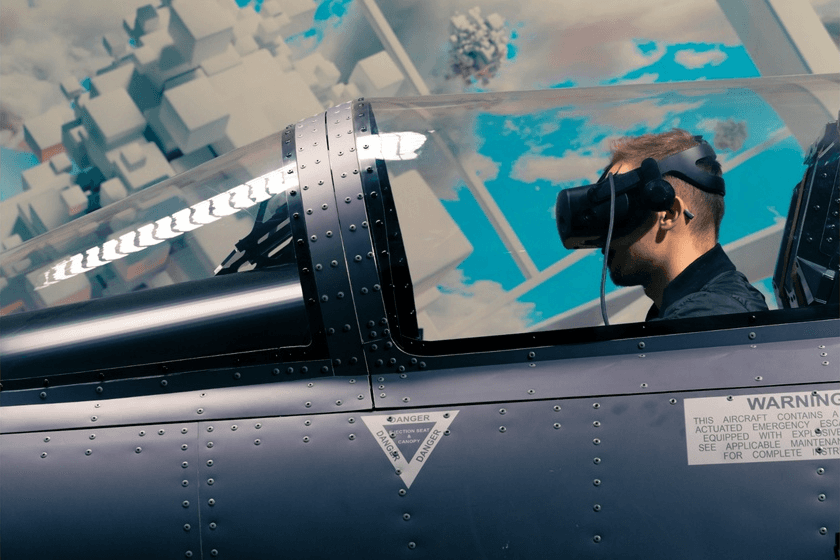
A VR motion simulator uses motion platforms and haptic cues to replicate activities like driving, crane operation, or aircraft procedures. These simulators help users experience motion feedback that mirrors real equipment. For industries such as defence and aviation, VR motion simulators present realistic risk conditions without endangering personnel. This format enables repeated practice of rare or high-pressure scenarios, supporting better operational judgement.
Virtual Simulators for Cognitive, Technical, and Soft Skills
A virtual simulator for thinking-related assignments centers on learning processes, how systems work, and knowing what’s going on around you. Using a virtual simulator prepares employees for complex decision-making without interrupting ongoing operations. Workers can go through equipment areas, do lockout-tagout tasks, or follow troubleshooting steps in a VR training section. VR simulations also help with soft skills training, like settling arguments or dealing with customers, by changing tone, gestures, and words based on what the user does. Studies from Stanford’s Virtual Human Interaction Lab suggest that hands-on VR learning greatly improves how well people remember what they learnt and how understanding they are. (Source).
VR Gaming Simulators and Their Influence on Enterprise Training
VR gaming simulators create interactive game-like settings. A VR gaming simulator relies on familiar game mechanics, making it easier for learners to understand goals and respond quickly to challenges. Players are engaged through challenges, scoring, and decisions that have consequences. These features work well for company training, especially if engagement is a problem. VR simulations that use game elements help keep learners motivated and improve how accurately they do tasks. This method is used more and more in manufacturing, car-making, and customer service to improve both speed and consistency. Many organizations integrate elements from a VR gaming simulator into their training modules to maintain focus and improve response accuracy.
These examples show how adaptable VR simulations can be for different fields, making sure the training fits the specific needs with the right mix of hands-on practice and realistic scenarios.
Applications and Benefits of VR Simulation Technology
VR simulation helps many business areas by making training better, speeding up design, and improving how things run. A virtual simulator's safe space means no wasted time and fewer dangers. Organizations also use VR to try out new setups, check workflows, and work together even when they're not in the same place.
Training, Safety, and Skill Development Through VR Simulations
VR simulations make safety training better because teams can experience risky situations in a safe virtual space. People can practice things like lockout-tagout procedures, entering tight spaces, inspecting gear, and reacting to emergencies, all while getting feedback as they go. Research shows that using VR for safety training can lower the number of accidents and help people remember what they learned better than traditional training methods (Source).
Prototyping, Design Reviews, and Operational Planning in Virtual Spaces
Virtual reality simulators help engineering teams check machine placement, how comfortable things are for workers, and how smoothly workflows in complete settings. VR simulations speed up location checks because people involved can walk through a computer-created plant and give input before anything is built. This cuts down on fixes and makes design happen quicker.
Measurable Productivity and Cost Efficiency Gains
VR simulations reduce training costs associated with equipment downtime, instructor travel, and consumables. They also allow organizations to standardize training globally so every site receives the same quality of instruction. Over time, this consistency leads to fewer operational errors and better productivity metrics.
With proven gains in accuracy, efficiency, and cost savings, VR simulation is becoming a foundational tool for both training and design-led functions.
The Future of VR Simulation
The future of VR simulation is moving toward AI-driven environments that adapt dynamically to user behaviour. Advancements in haptics, full-body tracking, and real-time analytics will make VR simulations more realistic and personalized. Many organizations are also exploring cloud-based VR platforms that allow access without high-end hardware, increasing scalability across global teams. As virtual reality simulators continue to evolve, the combination of immersion and intelligence will drive stronger outcomes for training and operational planning.
Looking to build high-impact VR simulations for your workforce?
Talk to AutoVRse to design tailored, enterprise-ready training modules.