What is Inverse Kinematics?
Inverse Kinematics helps figure out what angles the joints of a robot arm or virtual character need to be in so it can reach a goal position. Instead of forward kinematics, which calculates the end position from joint angles, inverse kinematics starts with the end position and works backward to figure out the needed movements (Source). Inverse kinematics is critical in VR, robotics, and 3D animation for making movement look real. It guides characters, robots, and avatars so they relate to their surroundings naturally.
How Inverse Kinematics Works
Inverse kinematics uses math equations to figure out how connected joints should move to reach a specific spot. These calculations typically use trigonometry and matrix algebra and, for tricky situations, use ways to find the best solution from many options. Forward kinematics is simpler; it starts with known angles to find a position. While IK may not be simple, it helps with better control. In VR, movements need to change quickly with what the user does, which is where Inverse Kinematics plays a key role.
3D Inverse Kinematics Example
In 3D animation, animators use inverse kinematics to make creating movement easier. For instance, if a character should put their hand on a table, the animator will set where the hand should end up. Then, the IK system automatically adjusts the character’s arm joints, so the hand gets to the right spot in a realistic way. In VR, inverse kinematics plays an important role in making avatars look real. When someone raises a hand, the system figures out how the avatar's shoulder, elbow, and wrist should move. This makes the avatar's movements seem natural, also with not a lot of tracking info.
Degrees of Freedom in Inverse Kinematics
Degrees of Freedom, or DOF, indicate the number of independent ways a system can move, and inverse kinematics uses DOF to determine how complicated movement is.
3 DOF Inverse Kinematics: These systems are applied in simpler setups, such as robotic arms that have three joints that can move. They are often used for industrial tasks where movement is restricted and controlled.
6 DOF Inverse Kinematics: It is often found in robots and VR controllers (Source). With Six degrees of freedom movement includes shifts and turns in all directions, allowing for actions that are more natural and flexible.
A system with more freedom often has movement that looks real, but this also complicates the math involved.
Applications of Inverse Kinematics in VR and Beyond
Inverse kinematics is valuable in sectors where precise movement and realism are needed. It aids in making believable characters in virtual reality, improving output in factories, and creating better game animations. IK combines math with actual motion. Its flexibility makes it a key technology in physical and virtual systems.
VR Avatars and Realistic Limb Movements
In VR, Inverse Kinematics plays a vital part in how users interact with digital environments. One key use is in creating VR avatars that mirror human movements convincingly. Standard avatars can often appear stiff and unnatural, which reduces the sense of presence and immersion. IK works to fix this problem by enabling virtual limbs to move in a way that closely copies real human motion.
Robotics and Industrial Automation
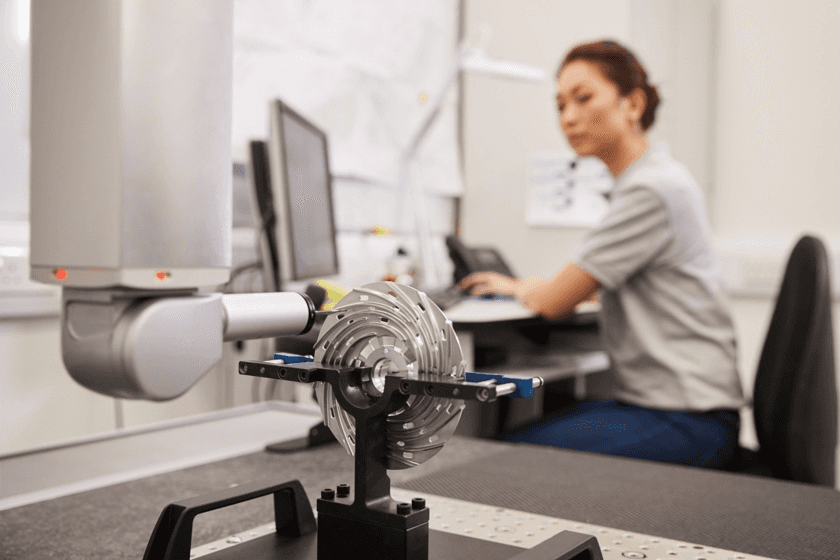
Robotics makes good use of inverse kinematics for industrial automation (Source). Think of a robotic arm in a factory. Inverse kinematics allows the robot to calculate the exact angles for each joint required to position its tool (such as a gripper or welder) at a particular location and direction.
3D Gaming and Animation
Inverse Kinematics improves character movement, reducing manual animation work and enhancing games. Instead of animating each joint separately, IK allows animators to define a target position for a chain of joints, with the system computing the required angles. In games, IK enables characters to react to the environment, like balancing on moving objects or leaning against walls. These reactions create a more immersive experience for players.
These examples show how inverse kinematics make digital and mechanical systems more natural, adaptive, and work better for things like fun video games, sure automation, or quick content creation.
Benefits of Using Inverse Kinematics
Inverse kinematics presents several benefits that make it a key tool in industries like VR and robotics (Source). These advantages go beyond convenience, directly influencing efficiency, realism, and adaptability in both digital and mechanical systems.
Natural and Immersive Interactions
Inverse kinematics helps make body movements seem real. In VR and animation, this realism increases how involved people get, making them feel like the characters and avatars fit in their settings. IK makes sure the motion is natural, whether it's an avatar grabbing something or a game character getting used to the ground.
Reduced Need for Manual Animation
By automating joint calculations, inverse kinematics cuts down on tedious manual work. Animators and designers can set a target position and allow the system to calculate joint angles automatically. This speeds up workflows and gives creative teams more freedom to focus on storytelling and design.
Real-Time Adaptability
In dynamic environments like robotics and VR, adaptability is essential. Inverse kinematics allows systems to instantly recalculate movements in response to user actions or environmental changes. This ensures precision in automation and lifelike responsiveness in virtual experiences.
Together, these benefits explain why IK is now standard across industries that need precise, adaptable motion.
Limitations of Inverse Kinematics
Inverse kinematics is useful, but it has limits. Real-time applications, such as VR, need fast and consistent calculations. This can be hard on the computer hardware (Source). Another problem is redundancy. Sometimes, more than one joint position can work. Algorithms are needed to pick the best or most natural one. Finally, there are trade-offs between being correct and working well. Getting exact IK improves how real things look but can slow things down. These limitations highlight the balancing act developers face between speed, accuracy, and realism when applying IK.
Future of Inverse Kinematics in VR
The progress of inverse kinematics is linked to improvements in AI and tracking tech. New AI systems can guess what users want and adjust movement for better, more natural results.
As full-body tracking systems get better, VR avatars will look more realistic. IK (Inverse Kinematics) can help fill in any missing info. Group VR settings, like training exercises or project meetings, will gain a lot from these changes.
Inverse kinematics, powered by predictive algorithms and improved motion data, will continue to enhance realism in physical robotics and virtual reality.