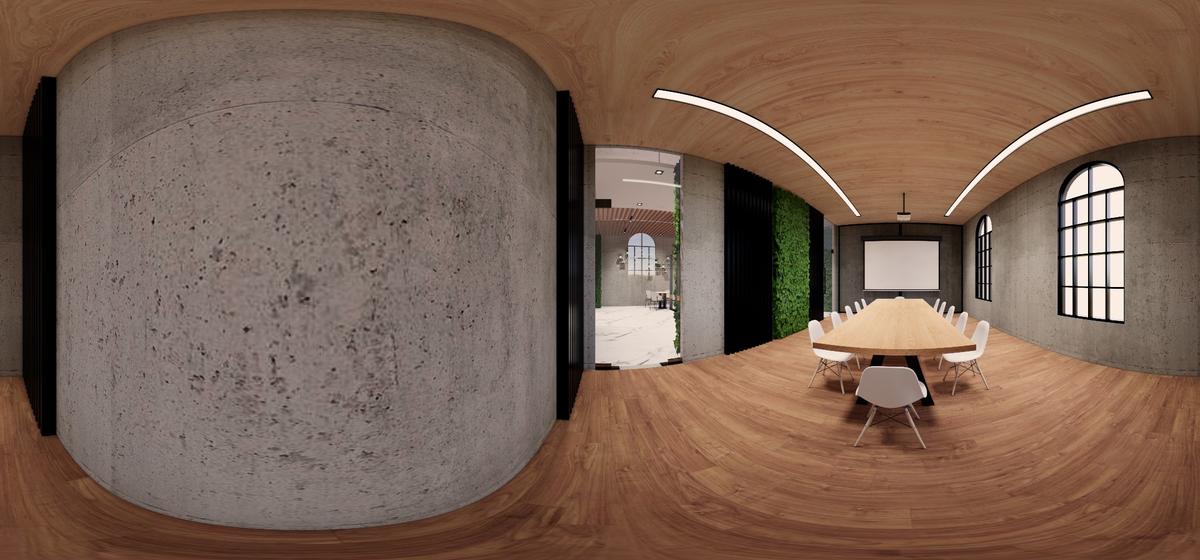
What is a VR Environment?
A VR Environment or VR space is a whole new world built using technology, which you can enter and explore. To get into this space, you will usually need a special headset that covers your eyes and handheld controllers that let you talk or move objects. When done properly, a VR space isn't just about seeing cool graphics; it also needs to feel real. This means that when you move your head, what you see changes as it would in the real world. If you reach out and touch something, it should react as you'd expect.
How a VR Environment Works
A VR setup uses detailed 3D models to build the virtual space you see. Interactive technology is incorporated, letting you do things and get reactions inside the virtual world. High-quality 3D audio places sound accurately in the environment, adding to the sense of being there. Finally, fast rendering speeds are needed to display everything smoothly and keep the experience immersive.
Core Components of a Virtual Reality Environment
To make a believable setting, a virtual reality space usually has 3D models, lights, textures that look real, and physics. Developers define how objects behave, so when people play in VR, things feel like they make sense. Unreal Engine and Unity are good tools that let teams make big areas look good without slowing things down, which keeps players comfortable and really into the game.
How Meta Quest Environments Operate
A Meta Quest environment uses inside-out tracking, which lets the headset's cameras map your area without needing extra sensors. The system turns your head and hand motions into digital controls, so you can easily move around virtual spaces. Since Meta Quest environments run on mobile chips, developers work to keep the rendering and interactions smooth and fast.
What Makes an Immersive Virtual Environment Effective
An immersive virtual environment mixes great visuals with useful ways to get involved. These setups look real and react to what you do, like giving a feel when you grab or shift things. You feel like you're really there if the VR world acts like the real one. That’s why companies spend money to get VR environment that replicate their plants, labs, or gear setups.
For an immersive virtual environment, it is important to ensure steadiness so people can concentrate on learning or collaborating instead of struggling with the system.
Types of VR Environments Used in Enterprise Training
Companies pick different virtual reality environments based on what they need to teach, how complex it is, and how interactive it should be. Usually, a custom VR environment is the base for teaching technical skills, safety procedures, and running dangerous simulations.
Fully Custom VR Environment Builds
A fully custom VR environment replicates an organisation’s real workspace, including equipment, floor layouts, and operational zones. Custom VR environment builds allow teams to train employees in virtual replicas before they enter live sites, reducing downtime and improving safety readiness. This model is heavily used in manufacturing, aviation, and energy industries for large-scale operational training.
Scenario-Based Training Environments
A scenario-focused VR environment guides learners through tasks like emergency response or equipment checks. These scenarios change based on the choices you make, so you see the impact of your decisions. Research suggests this type of training can boost learner confidence by as much as 40% compared to normal teaching methods (Source).
Multi-User Collaborative VR Environments
A collaborative VR environment can help employees work together to fix problems, even if they're not in the same place. People can meet in a virtual space to do things like switch shifts, make repairs, or do inspections. Using VR can also mean less travel, which saves money and time.
Companies pick the VR setup that fits their training plans and tech know-how.
Benefits of a High-Fidelity VR Environment
Training in a high-fidelity VR environment boosts engagement and helps people remember what they learned since they get to do things instead of just watching. Companies also use VR to lower risks and get their staff ready faster.
Improved Knowledge Retention and Skill Transfer
The National Training Laboratory found that you remember way more, up to 75%, when you learn by doing, much better than just listening to lectures (Source). An effective virtual reality environment backs this up by letting you do things over and over until you feel confident about the task.
Faster Iterations with Custom VR Environment Design
Teams can quickly change their virtual reality training space to show new processes, layouts, or tools. This is really helpful for industries that often upgrade gear, or when teams need to practice different ways of doing things. What might take weeks to update in a real-world training setting can be done in just days in a VR environment.
Scalable, Repeatable Enterprise Training
Once a VR environment is built, organisations can deploy it globally with minimal overhead. A virtual reality environment standardises how procedures are taught so employees across regions learn the same steps. This consistency improves compliance and reduces knowledge gaps across teams.
Enterprises rely on high-fidelity VR environments because they provide measurable performance insights and predictable training outcomes.
The Future of VR Environments
VR environments are getting smarter, more flexible, and more automated as AI and real-time simulation tech get better. A lot of companies are now trying out AI to make VR spaces that change things like layout, difficulty, or help based on how skilled the user is.
AI-Generated Virtual Reality Environments
AI tools can already generate 3D environments, textures, or procedural layouts at scale, reducing development time. As these tools get better, teams will be able to create large VR environments faster without losing quality. AI-created spaces will also allow for simulations that change based on what the user does.
Hyper-Personalized Learning Spaces
A VR environment can adapt to how each person learns by changing the pacing, prompts, and scenario difficulty. We can make these learning paths better by using data from sensors and how people act in the VR space. This lowers tiredness from learning and raises self-esteem.
Real-Time Environment Adaptation Based on User Behaviour
Next-generation VR environments will adjust visual cues, hazards, or pathways in real time. Eye tracking, motion studies, and biometric info will allow virtual environments to react to uncertainty or mistakes, which leads to very flexible training situations. These skills will turn virtual reality environments into a needed tool for company workforce growth.
Ready to build a custom VR environment for your enterprise?
Talk to AutoVRse to create a VR environment designed specifically for your needs.
