Back to Blog List

Precautions to Take for VR Training: Essential Safety Tips

Precautions to Take for VR Training: Essential Safety Tips

Virtual Reality training has reshaped how businesses train their employees. VR in workplace gives workers an engaging, safe space to learn critical skills. To get the most out of VR training and avoid potential challenges, companies must have clear VR training precautions. This blog will help you understand why VR safety training is so important, what the risks are, and what steps need to be taken before, during, and after VR training.

Safety and user well-being are extremely important when organizations are using VR to train employees. Even though VR simulations can make training more interesting and help increase retention of learning, badly designed setups, unhygienic use of headsets, or long training times could lead to discomfort or even injuries. Taking VR training precautions seriously from the start helps make sure the training is useful and does not harm anyone.  Prioritizing VR health and safety training ensures workers are more likely to stay safe when using simulations.

Understanding VR Training

VR training, or virtual reality training, leverages simulations that are interactive for employees who need to undergo technical and soft skills training in a safe setting. With VR headsets such as Meta Quest 3 (Source) or Pico 4 Ultra (Source), employees can practice procedures, complete safety exercises, or improve their customer service abilities without any real-world risks. VR is no more a passive viewing experience, rather it lets workers act directly with tools, environments, and situations. Understanding the basics of VR training is important for picking VR training precautions that match your company's training goals.

Why Safety Is Crucial in VR Training

VR safety training ensures that workers can practice dealing with real emergencies in a secure setting. These drills, which range from fire escapes to chemical handling, help employees get ready for action and cut down on accidents at work. Considering the kind of situations that people are trained using VR, ensuring safety during the adoption of VR becomes important. When VR training precautions are not taken, it could result in issues like motion sickness or accidents reducing the benefits of VR training.

Focusing on VR safety does more than just protect workers; it also helps organizations see a return on their investment in immersive learning programs.

Virtual Reality (VR) training is becoming a strong way to train workers in many fields. It can copy real situations in a safe space, which gives it an edge over traditional methods of training. VR training lets people practice difficult or dangerous tasks without any real risks. This kind of practice helps workers gain experience and confidence before they face actual situations. The real advantages of VR training become apparent only when safety and comfort considerations get just as much attention as the training content itself.

Need support in implementing safe VR Training?

Connect with AutoVRse today to design a VR training program that prioritises safety while delivering impact.

Potential Risks of VR Training

Like all training methods, VR has its limitations. Organizations need to be ready for possible problems so that employee safety and performance outcomes are not put at risk. 

Physical Health Concerns

Prolonged use of VR could lead to eye strain, headaches, or motion sickness because of the conflict between what you see and what you feel. The construction and weight of VR headsets are contributing factors to user experience. A poorly fitting or excessively heavy headset introduces fatigue and discomfort.

Risk of Injury

When learners become fully involved in a virtual experience, they can lose track of where they are in the real world. If training areas aren't made safe, common risks include bumping into furniture, tripping on cords, or falling in tight areas. Injuries might also happen if users try moves that the headset isn't designed to support.

Psychological Impacts

VR can produce very real situations, and this may cause anxiety, stress, or make people feel lost. If a trainee isn't ready, things like a simulated accident or dangerous situation might be too much for them. Too much of this kind of training could also tire people out mentally, which would make the training less useful.

Hygiene Considerations

Shared VR headsets may transmit sweat, skin oils, or bacteria among individuals. Without proper cleaning, equipment may spread infections. In busy training settings, maintaining headset cleanliness is a vital VR training precaution.

Addressing these risks beforehand allows organizations to build safer and effective VR training programs.

Essential Precautions Before, During, and After VR Training

To get safe and effective results, companies should include clear safety rules in each part of the VR training. By having set precautions from the start to the end, companies can lower risks and get the most from training.

Pre-Training Health Checks

Before using VR, employees should have a basic screening to see if it is right for them. Immersive settings could worsen certain pre-existing health issues, such as epilepsy, vertigo, or visual impairments. To prevent any risk, a good practice to implement is asking employees to fill a detailed health questionnaire prior to commencing training.

Preparing a Safe Training Environment

To prevent accidents, it's vital to have clear, open spaces. Cables must be secured, and sufficient room should be available for movement during room-scale interactions. It’s best to do a thorough check of the area for workplace hazards that might put people at risk during simulations.

Equipment Hygiene and Maintenance

To ensure hygiene, headsets should be cleaned with sanitizing wipes or UV devices after each use. Using disposable face covers on shared gear is also ideal. Regularly checking headsets and controllers can help avoid breakdowns that might lead to mishaps.

Ergonomic Setup and Proper Posture

Using headsets that don't fit could cause pain and unease. To stay comfortable while using VR, look for headsets with adjustable straps, even weight, and a light build, as suggested in AutoVRse’s best VR headsets guide. Instructors should watch students' posture and tell them to take breaks to prevent strain from doing the same actions too much.

Session Length and Breaks

Extended VR use may tire the eyes and muscles. It's suggested that training be capped at 20–30 minute sessions, with short breaks. Dividing modules into focused segments improves learning and keeps people comfortable and attentive.

Establishing Supervision and Emergency Protocols

Supervisors need to closely watch trainees to prevent accidents and respond if there seems to be any problem. Emergency plans, like taking off the headset fast or helping a trainee rest, need to be explained clearly before the session starts.

Following clear VR health and safety training guidelines keeps sessions both productive and secure supporting the continued use of these programs.
Best Practices for Ongoing VR Training

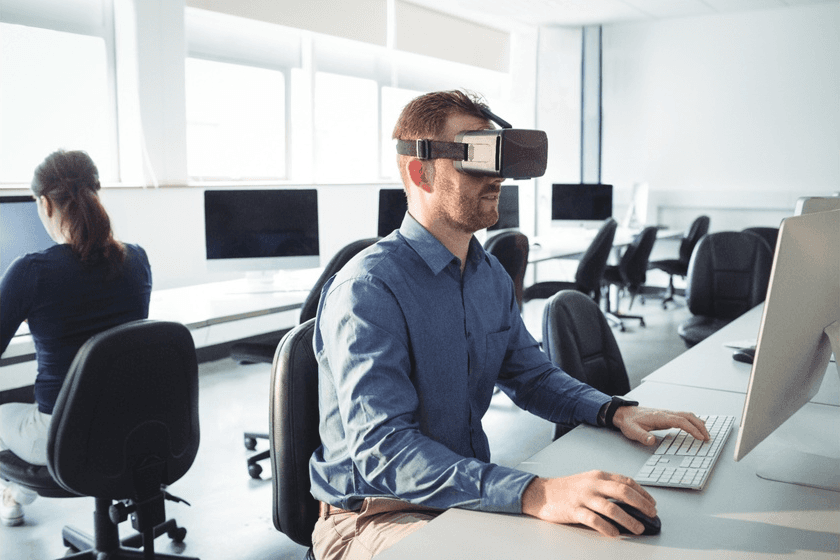
VR training precautions must evolve into long-term practices to maintain user safety and ensure adoption at scale. Organizations can create sustainable frameworks by embedding VR health and safety measures within every VR training program.

User Orientation and Clear Instructions

Before beginning modules, trainees should be given clear instructions on headset usage, safe movement, and program objectives. Clear instructions can help reduce confusion and build confidence, especially for those new to using VR.

Monitoring and Feedback

Learning Management Systems and analytics dashboards allow us to review performance in real-time, so we can spot any mistakes or discomfort. After training, feedback should be sought from the users to understand if there are any gaps and use this information to make future safety more effective.

Integrating VR Safety with Existing Programs

VR training is best when used alongside existing safety rules. When companies add VR To get the most out of virtual reality training, it should go hand in hand with current safety guidelines. Firms can make sure that everyone learns and understands the material in the same way by using VR simulations for onboarding or teaching regulation compliance. 

Integrating these methods into daily education enables institutions to foster a secure atmosphere while taking advantage of VR's adaptability and appeal. These measures turn short-term precautions into a scalable VR health and safety training framework.

Conclusion

Virtual Reality (VR) training is becoming a strong way to train workers in many fields. It can copy real situations in a safe space, which gives it an edge over traditional methods of training. VR training lets people practice difficult or dangerous tasks without any real risks. This kind of practice helps workers gain experience and confidence before they face actual situations. The real advantages of VR training become apparent only when safety and comfort considerations get just as much attention as the training content itself.

Need support in implementing safe VR Training?

Connect with AutoVRse today to design a VR training program that prioritises safety while delivering impact.

FAQs

1. Are there any dangers to VR training?

VR training does come with possible problems. These include eye strain, feeling sick, accidents in the real world, or feeling stressed because of what happens in the simulation. Still, we can stop most of these problems by being careful and understanding how VR safety training works. This means using VR in safe places, not using it for too long at once, and having someone watch over the training. If we manage things well, the advantages of VR are much greater than the possible disadvantages.

1. Are there any dangers to VR training?

VR training does come with possible problems. These include eye strain, feeling sick, accidents in the real world, or feeling stressed because of what happens in the simulation. Still, we can stop most of these problems by being careful and understanding how VR safety training works. This means using VR in safe places, not using it for too long at once, and having someone watch over the training. If we manage things well, the advantages of VR are much greater than the possible disadvantages.

1. Are there any dangers to VR training?

VR training does come with possible problems. These include eye strain, feeling sick, accidents in the real world, or feeling stressed because of what happens in the simulation. Still, we can stop most of these problems by being careful and understanding how VR safety training works. This means using VR in safe places, not using it for too long at once, and having someone watch over the training. If we manage things well, the advantages of VR are much greater than the possible disadvantages.

2. Can VR training cause long-term health issues?

2. Can VR training cause long-term health issues?

2. Can VR training cause long-term health issues?

3. How should participants be prepared before VR training?

3. How should participants be prepared before VR training?

3. How should participants be prepared before VR training?

4. How to create a safe environment for VR training?

4. How to create a safe environment for VR training?

4. How to create a safe environment for VR training?

Let’s talk about

Let’s talk about

Let’s talk about

your training

your training

your training

Talk to our team to learn how to implement VR training at scale

Talk to our team to learn how to implement VR training at scale

Talk to our team to learn how to implement VR training at scale