March 2026 marks a milestone for workplace safety in India.
As the National Safety Council of India celebrates its 55th National Safety Week, the council has decided to expand what began as National Safety Day on March 4 into a full month of safety awareness and action.
Like every year, the initiatives are centered around a safety week theme. This year’s National Safety Week/Day theme is: "Engage, Educate & Empower People to Enhance Safety."
In essence, it's about building a culture where every worker—from a trainee on the factory floor to the control room—understands and owns safety. Following a set of ancient protocols is now the bare minimum.
Across India's vast industrial landscape, companies are rethinking how they train their workforce.
The challenge is not an easy one: there are millions of workers, doing high-risk operations, in need of consistent safety standards. Not to mention diversity across geographies and variation in skill levels.
Why This Matters for Viksit Bharat 2047
This rightful emphasis on workplace safety is part of India’s broader vision of Viksit Bharat 2047: to become a developed nation by its 100th year of independence.
Viksit Bharat 2047 is an ambitious vision. The aim is to make giant leaps in terms of economic growth, social progress, environmental sustainability, and better governance.
None of these happens without safe workplaces.
India's industrial sector, which includes manufacturing, mining, construction, oil and gas, employs millions. These are high-risk environments where a single safety lapse can have serious consequences.
Workers in these sectors should return home safely every day. Likewise, companies shouldn't lose productivity to accidents.
However, getting safety right at this scale is hard. It requires consistent efforts towards training and upskilling. But even more importantly, it requires us to build a mindset where safety becomes second nature.
That's the foundation Viksit Bharat 2047 needs. That’s the goal of the 55th safety week/day.
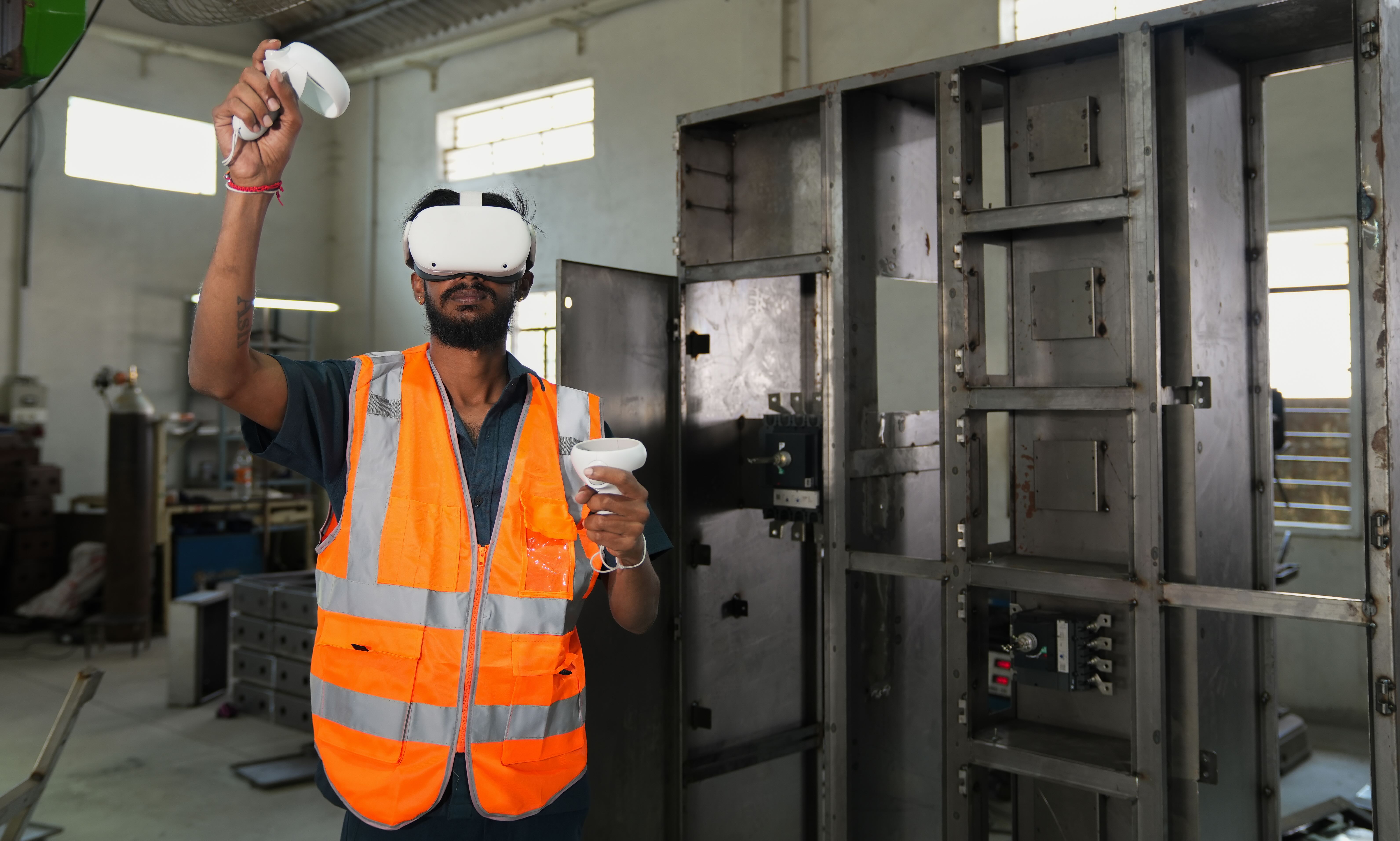
That’s also exactly what VR training can provide.
How VR Training Helps Build Safety Culture at Scale
Of all the ways that VR training can help improve the safety outcomes and culture, 5 of them stand out.
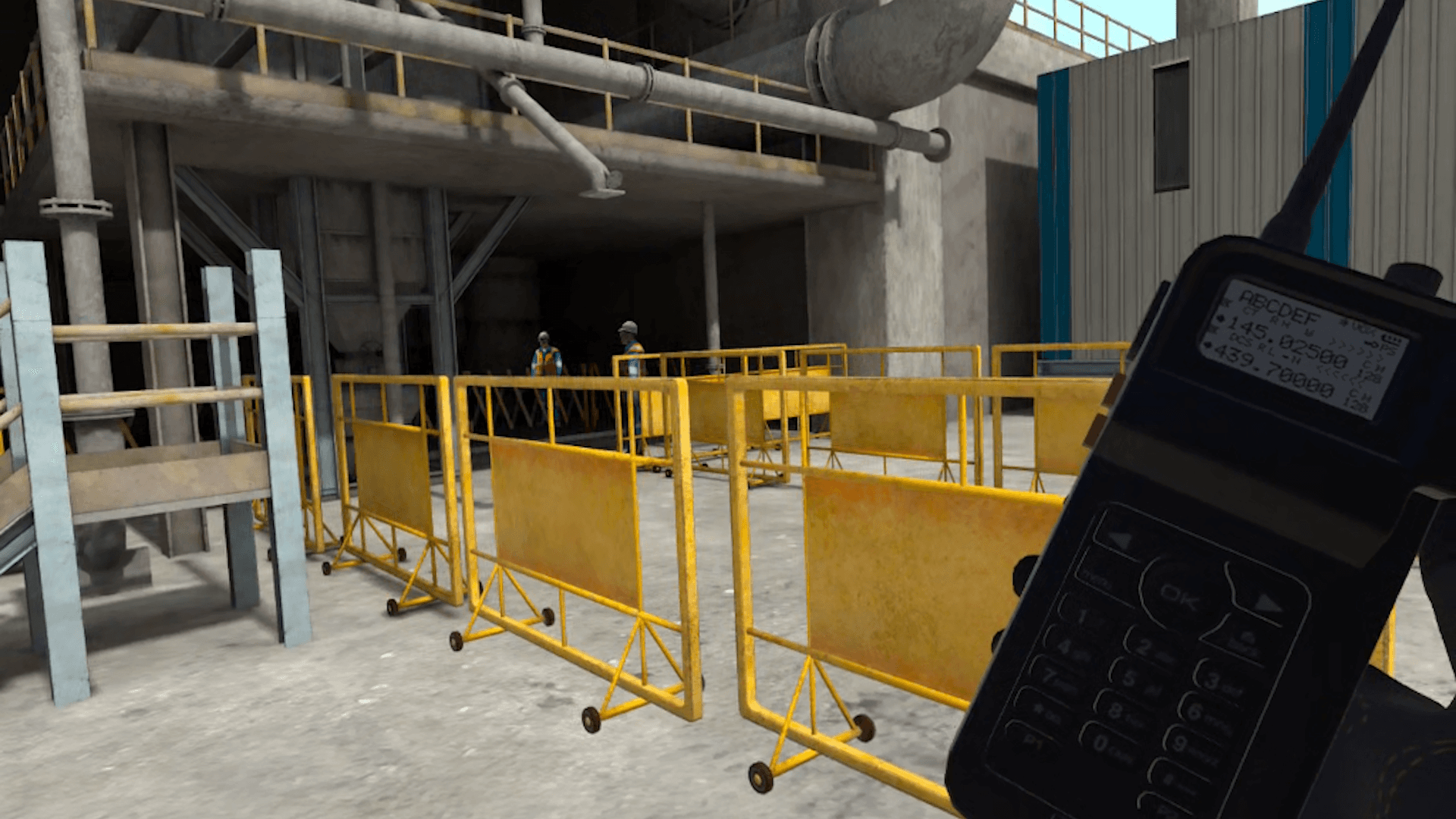
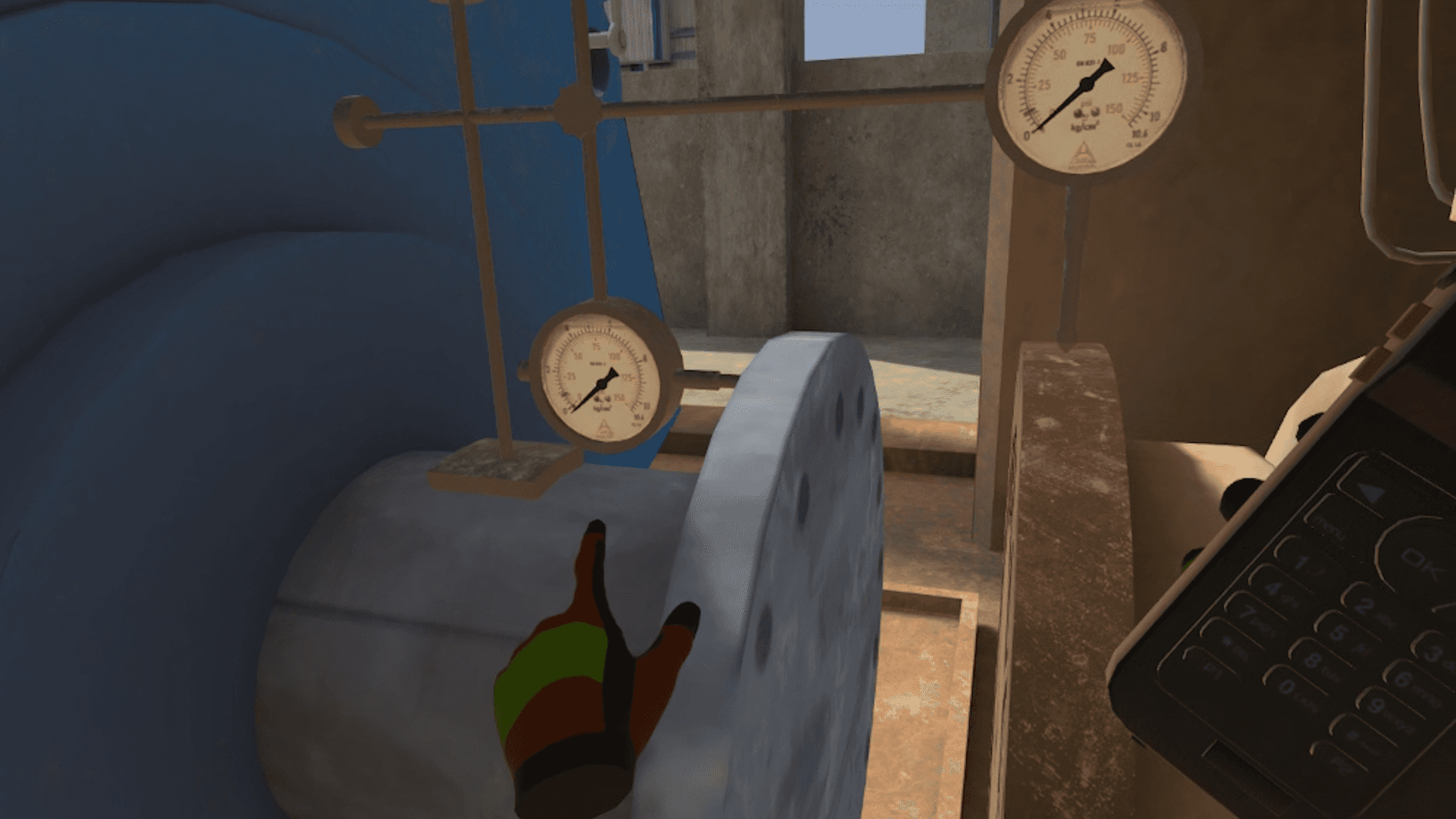
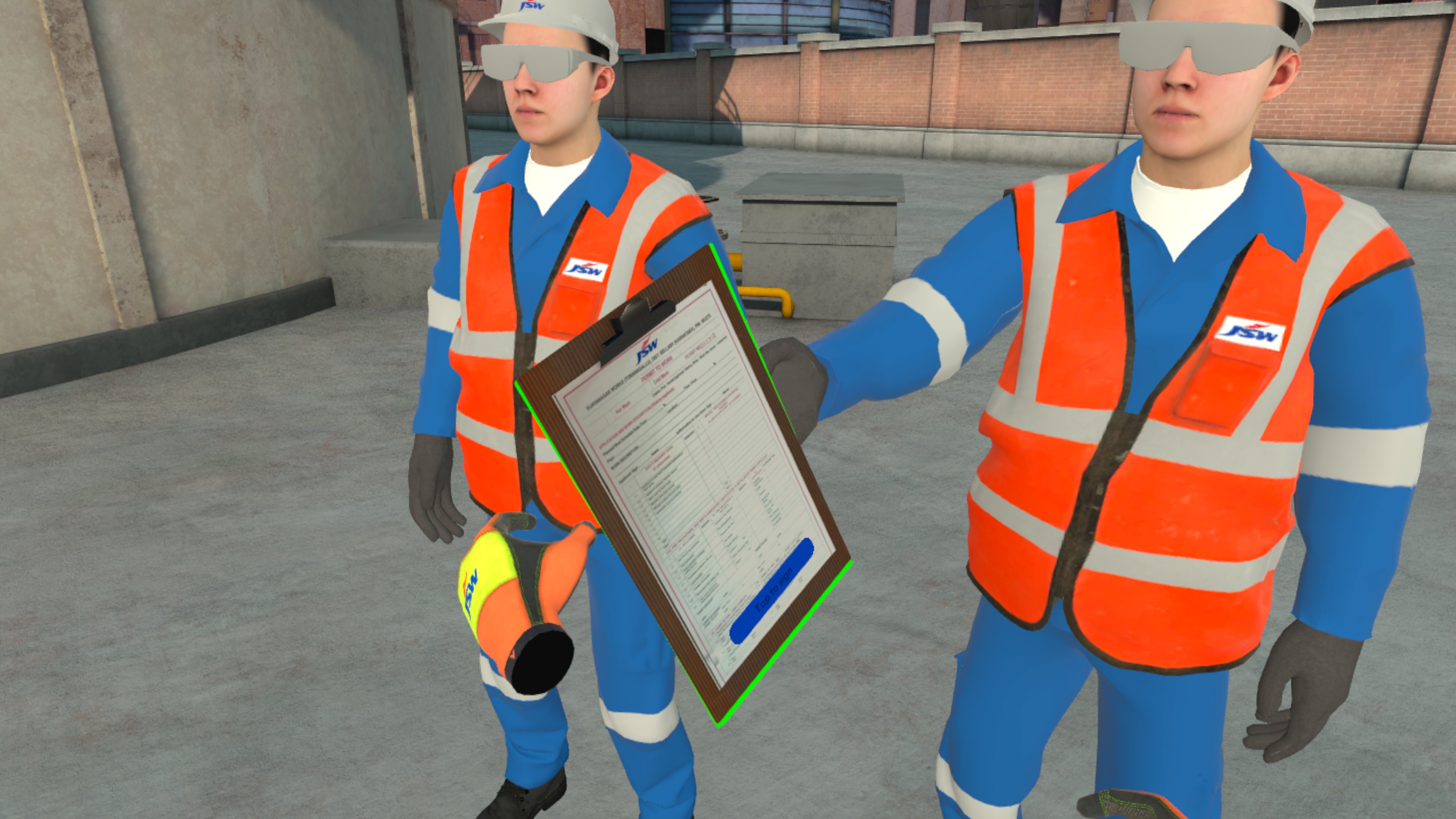
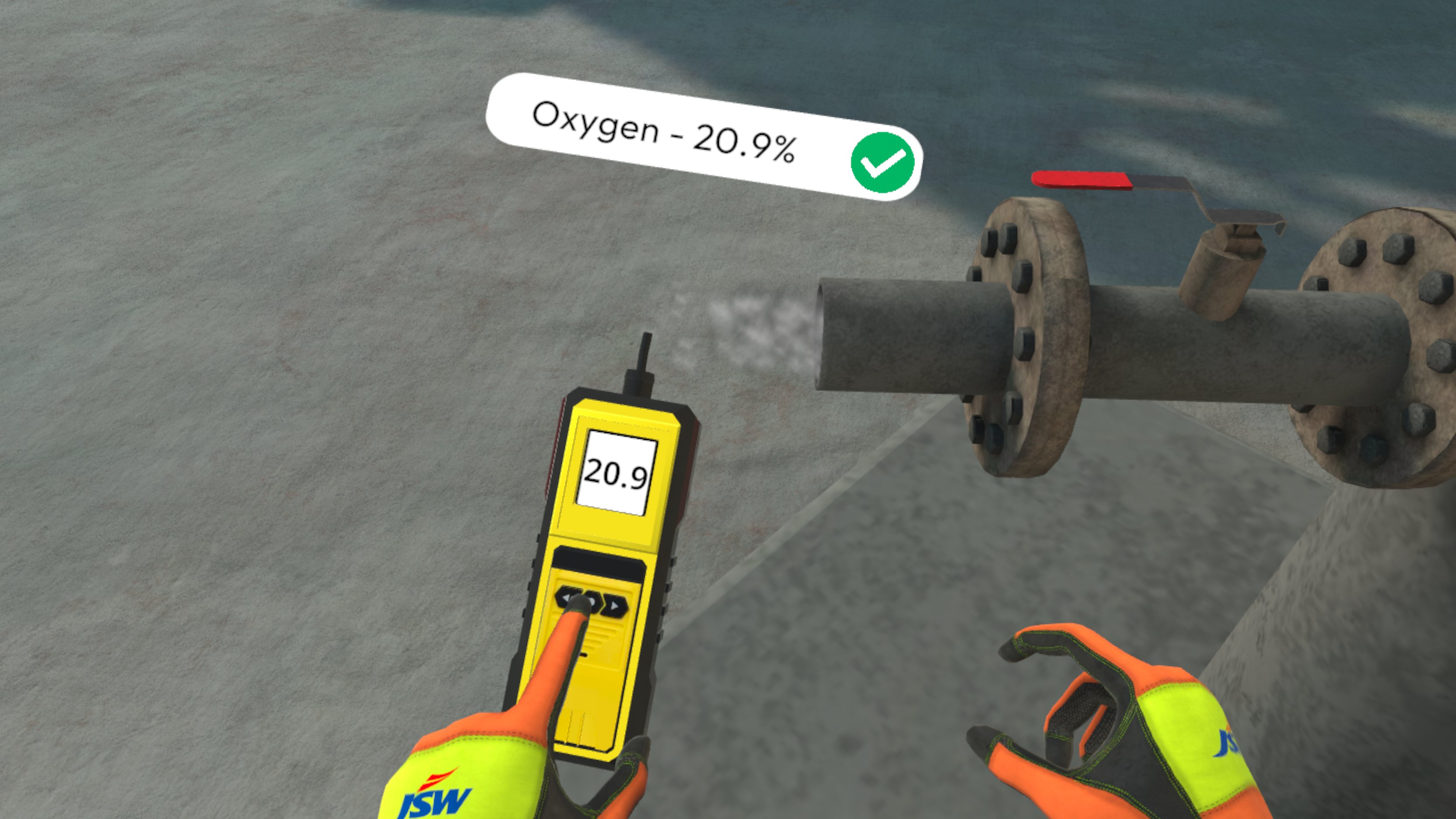
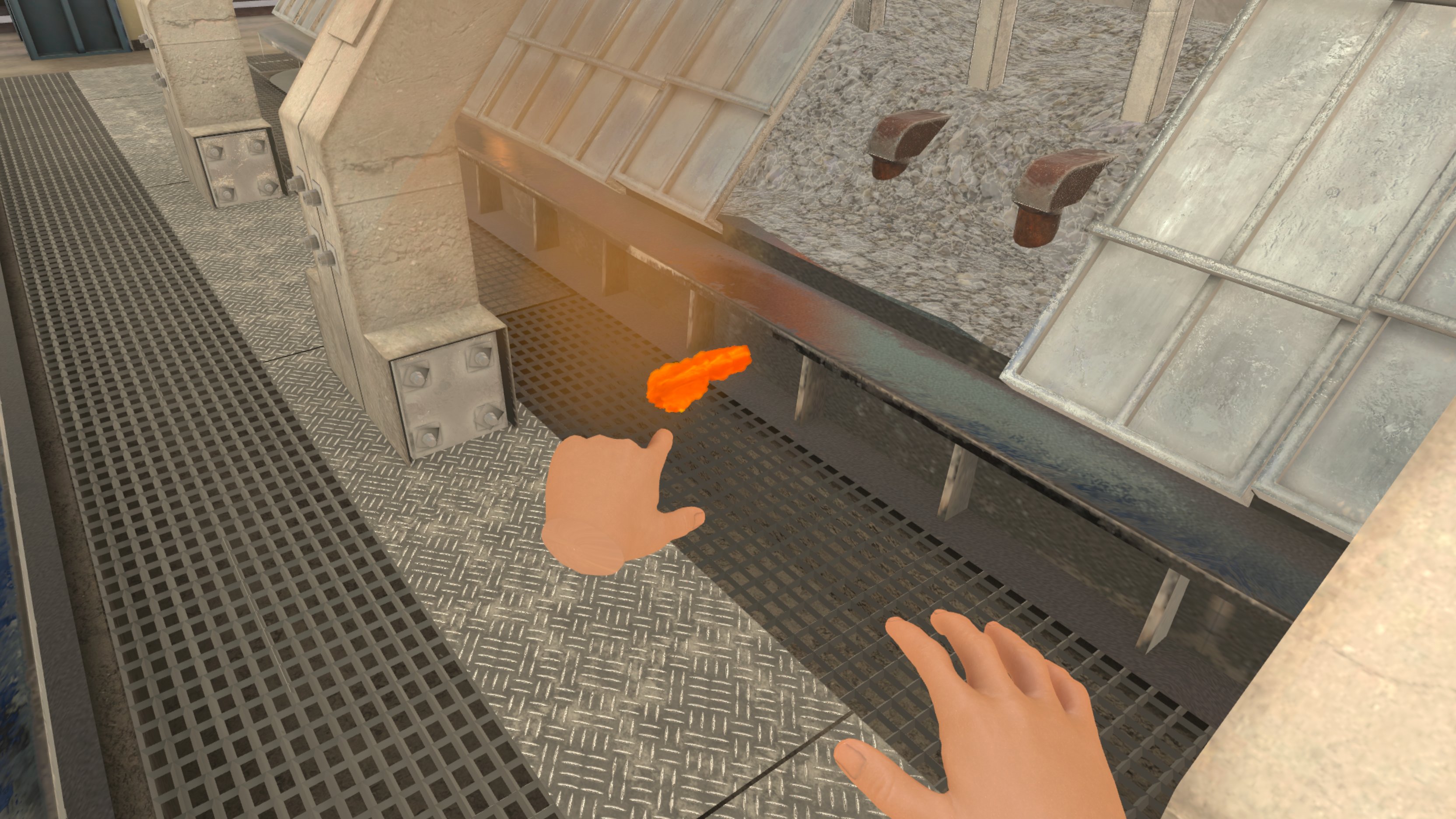
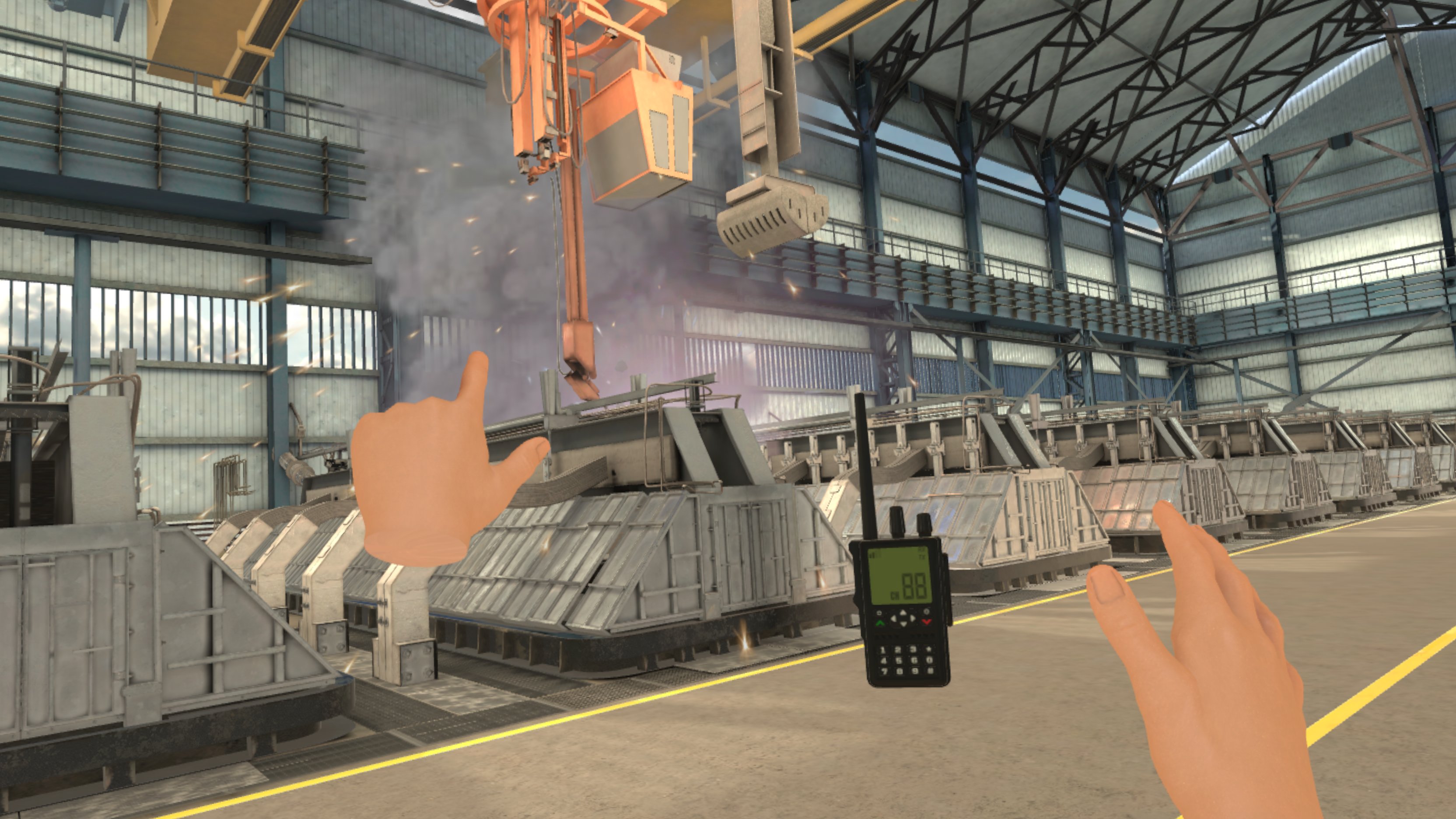
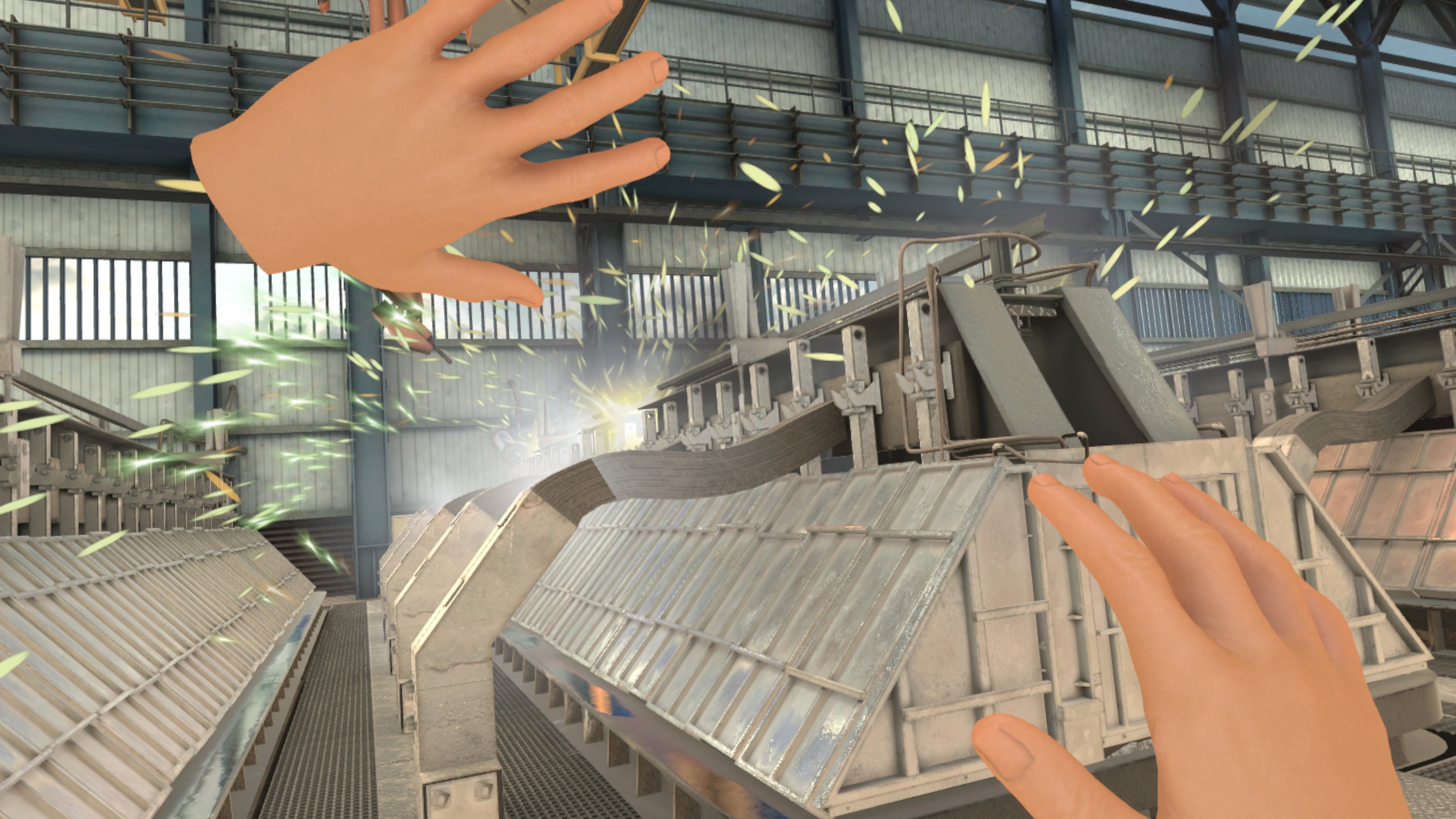
Risk-free practice in high-stakes scenarios: Workers can experience dangerous scenarios—confined space rescues, fire emergencies, electrical hazards—without actually being in danger. VR helps practice these scenarios repeatedly and turn critical knowledge into outcomes that matter.
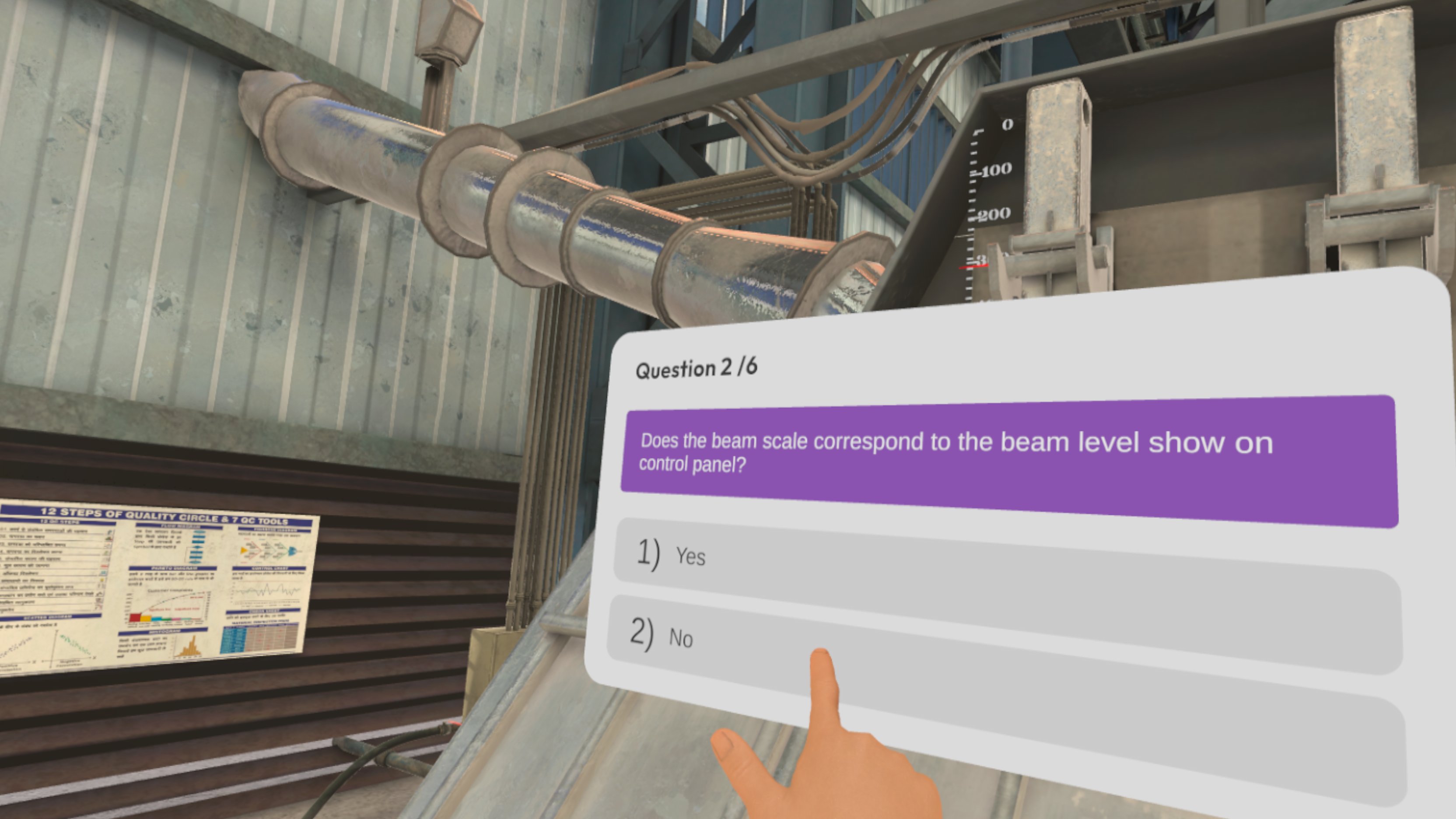
Learning through doing, not just watching: VR puts workers inside the task. They're not watching someone else perform tasks. Instead, they’re making decisions, handling equipment, seeing consequences play out in real time. This creates deeper engagement and better retention than videos or manuals ever could.
Building safety instincts under pressure: Safety is less about memorizing the rules and more about taking the right action when things go south. VR simulations create that pressure, helping workers develop decision-making skills they can rely on during actual emergencies.
Consistent training across thousands of locations: A single VR module can train workers in a cement plant in Gujarat and another in Chhattisgarh with the same quality. The same lessons, the same experience.
From compliance to consciousness: VR shifts the focus from information about safety protocols to understanding them. Workers see the consequences of skipping a particular safety step or making a mistake.
Indian Industrial Giants are Leading the Way
Some of the nation’s biggest leaders in the industrial sector have recognized the value of VR training and implemented it across their safety operations, with AutoVRse’s help.
UltraTech Cement: Building Safety Culture Across 72 Plants
UltraTech, India's largest cement producer, started small: a single VR module
At their Tadipatri plant in Andhra Pradesh, they trained 20 employees on the packer operations module that AutoVRse created.
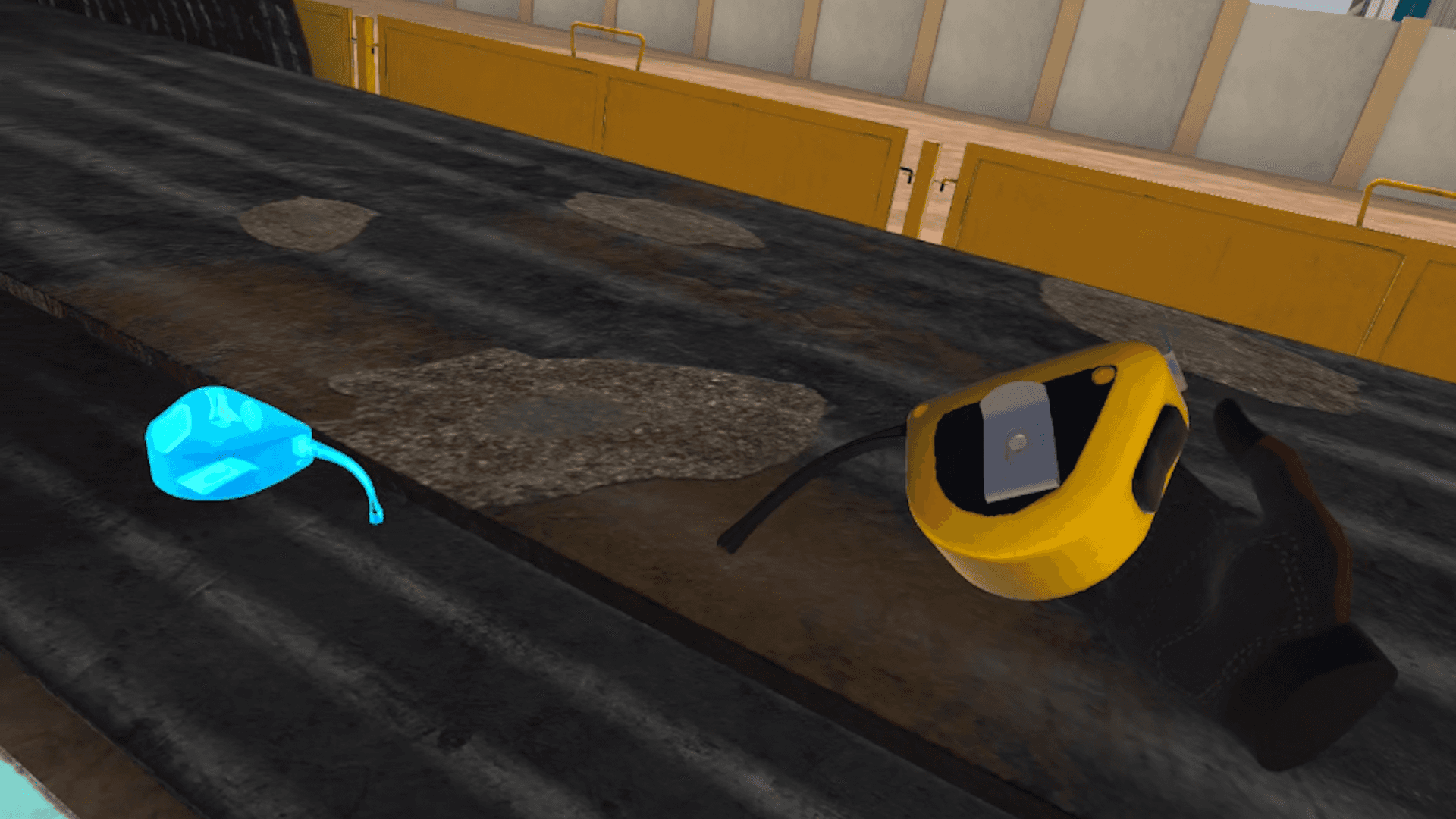
From there, the rollout began and eventually accelerated, covering 72 out of 76 plants (a 94.7% adoption rate). UltraTech’s training library now includes 50+ VR safety modules covering critical procedures such as conveyor maintenance, electrical isolation, hot work procedures, scaffolding, fire safety, and lifting operations.
The numbers are also quite revealing:
27,000 training sessions completed in ten months
Training time reduced by roughly 70%
Hazard recognition improved by 40%
30-40 hours saved annually per worker
Now, VR has become a keystone of UltraTech's Training Need Identification (TNI) process. It’s helping their safety teams pinpoint exactly where intervention is demanded.
JSW Steel: Zero Safety Incidents Across 5,000+ Trained Workers
JSW started its VR training implementation with a single conveyor belt safety module that covered eight common incident scenarios.
The training followed the concept of consequence-based learning—showing workers what actually happens as a consequence of their actions or inactions.
In just two months, 5,000+ workers across six plants completed the training. The pass rate was 99.7%.
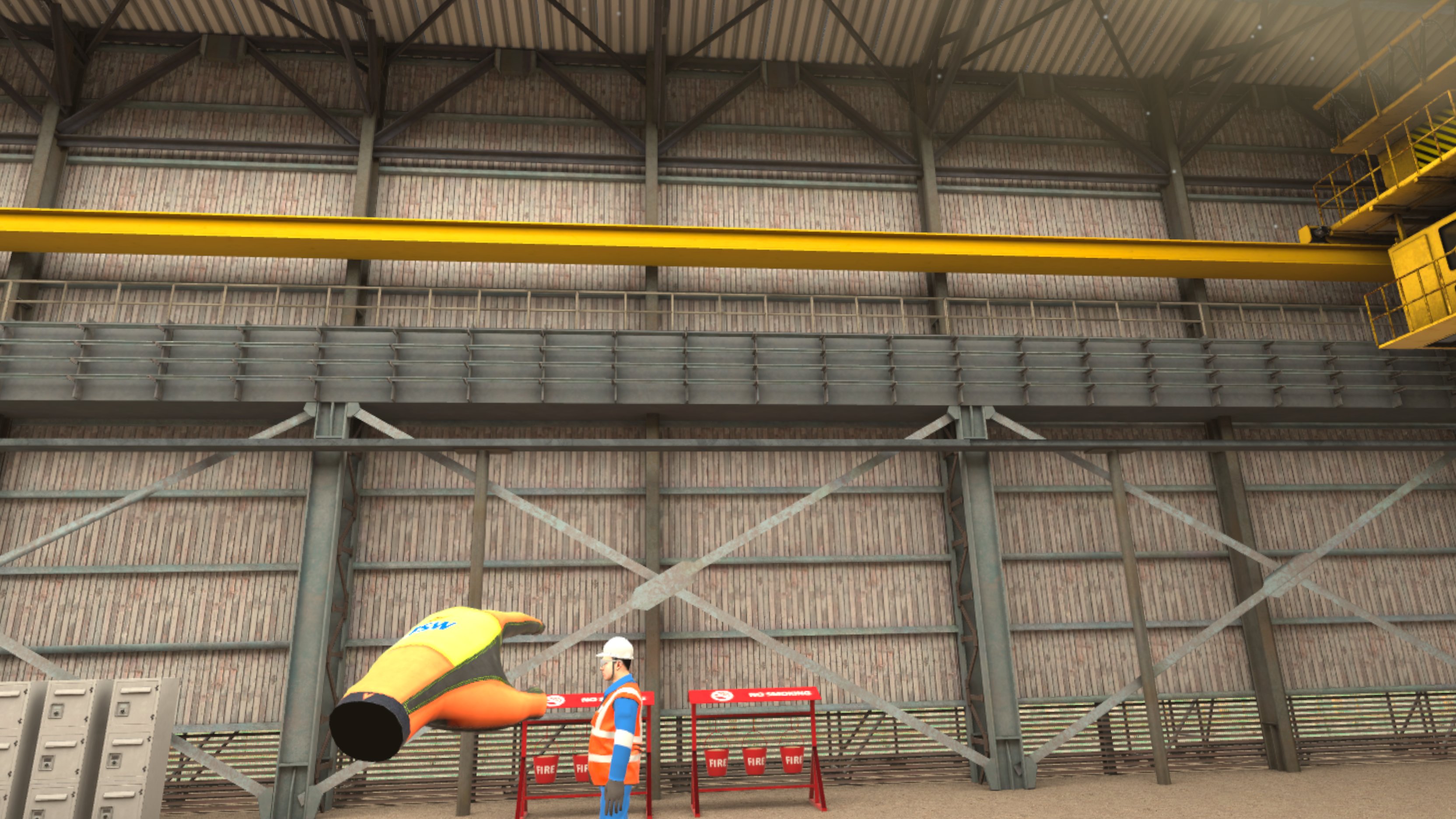
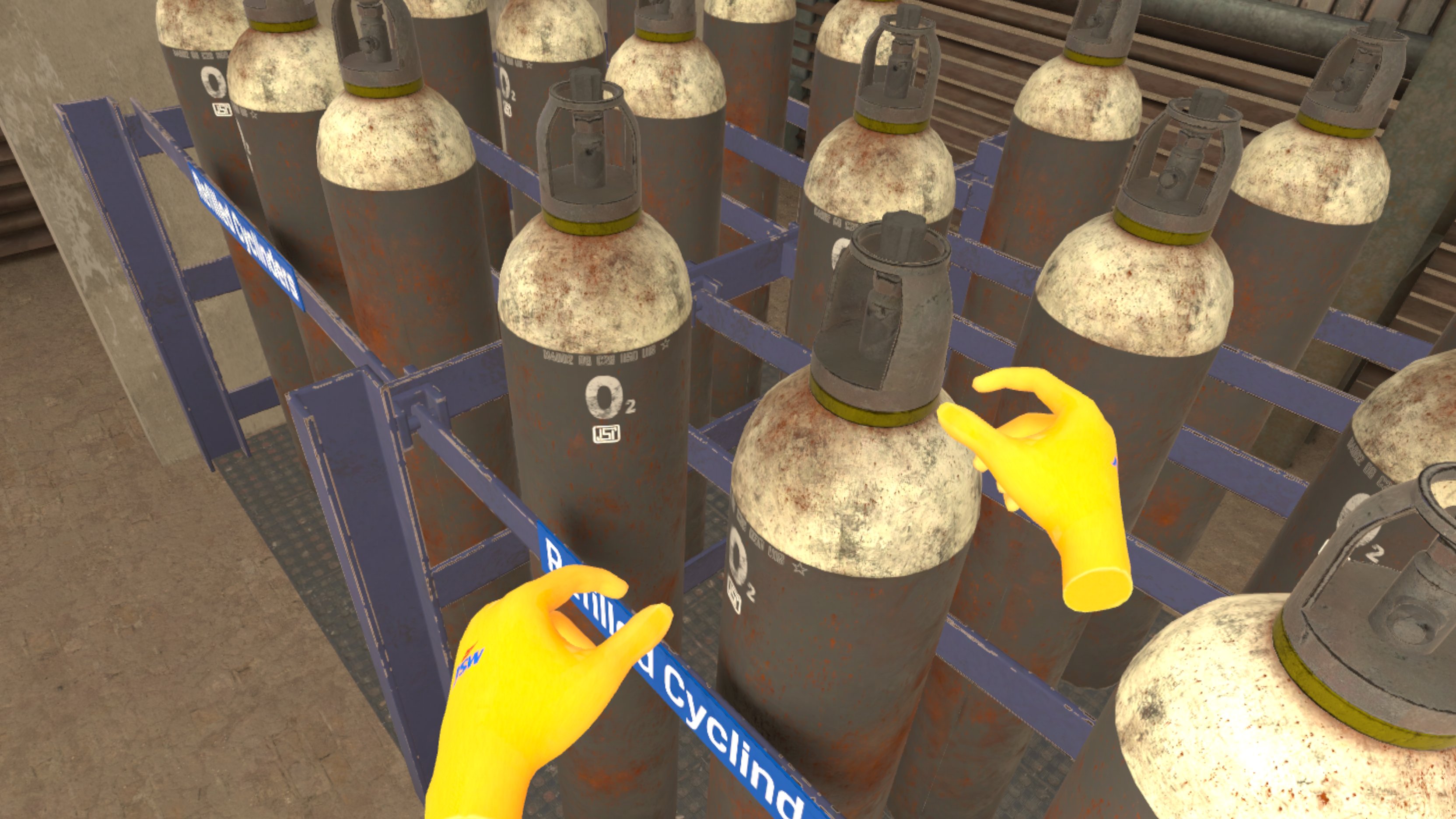
Thus kicked off JSW's VR training expansion.AutoVRse developed eight more safety modules for JSW: LOCO operations, welding safety, gas cutting, compressed cylinder safety, lifting tools inspection, electrical isolation, and cast house operations.
The expansion wasn’t just confined to use cases but also to business units. What started in Steel expanded to eight business units, including Energy, Ports, and Renewable Energy.
The result of this VR training deployment at scale is the most impressive aspect of the project: personnel trained in VR have been involved in zero safety incidents.
Across 17 plants. Across 5,000+ workers.
Vedanta: Breaking Ground in Public Sector Safety Training
Vedanta represented was AutoVRse's first Public Sector Company partnership. The client followed a more traditional form of operations and wasn't familiar with VR technology. They didn't immediately see how VR would fit in their training ecosystem.
That skepticism fueled the AutoVRse team to narrow down their focus into two main aspects: simplicity and integration.
Meaning, the modules needed to be easy to use and also fit seamlessly into existing training workflows.
That focus paid off. Today, VR training is an integral part of Vedanta's safety training system. The company is now recommending AutoVRse to 22 different units (and even other companies).
This partnership is a testament that with the right focus and the right partner like AutoVRse, the implementation of VR training is possible in traditional, risk-averse organizations.
The Path Forward for Safety Culture in India
"Engage, Educate & Empower People to Enhance Safety" isn't just a slogan for 2026’s safety week/day.
Instead, it's a roadmap. A roadmap for how India approaches workplace safety as the country moves toward 2047.
It means active education about safety protocols and not just passive learning. It means building skills through practice and not just viewing a video. It means instilling the confidence and competence for workers to act on safety and not just follow orders.
Technology plays a role. A crucial one. But it's not the whole answer.
The real work is cultural.
India's industrial sector has the scale, the ambition, and increasingly, the tools to make this happen. Companies like UltraTech, JSW, and Vedanta are examples of what’s possible with a serious investment in people and safety.
To become a developed nation by 2047, we have to start treating safety as foundational, and not aspirational.